DUNEDIN, Fla. - Command
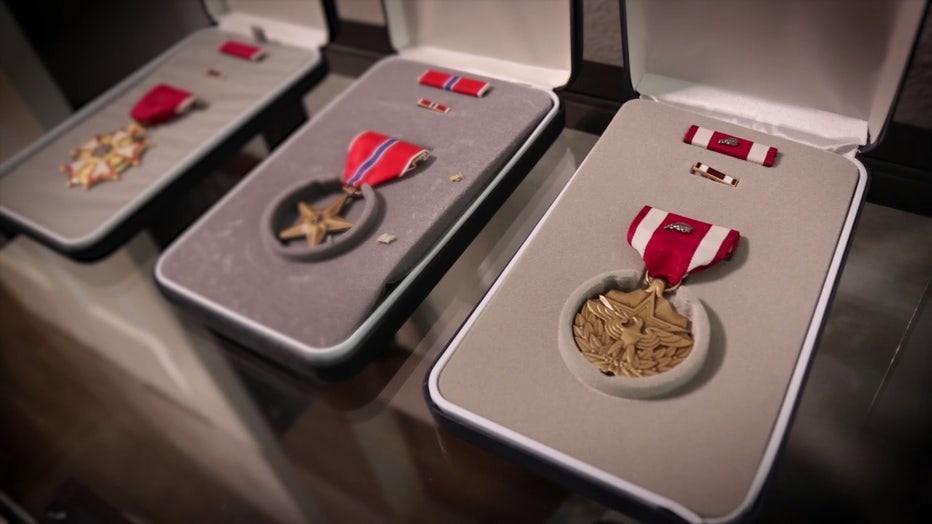
Sergeant Major (Ret.) AC Coley’s chest is heavy with medals; the Bronze
Star, the Legion of Merit — but today, his focus is on the next
generation of leaders.
In honor of Black History Month, FOX 13 went inside the career of a local hero
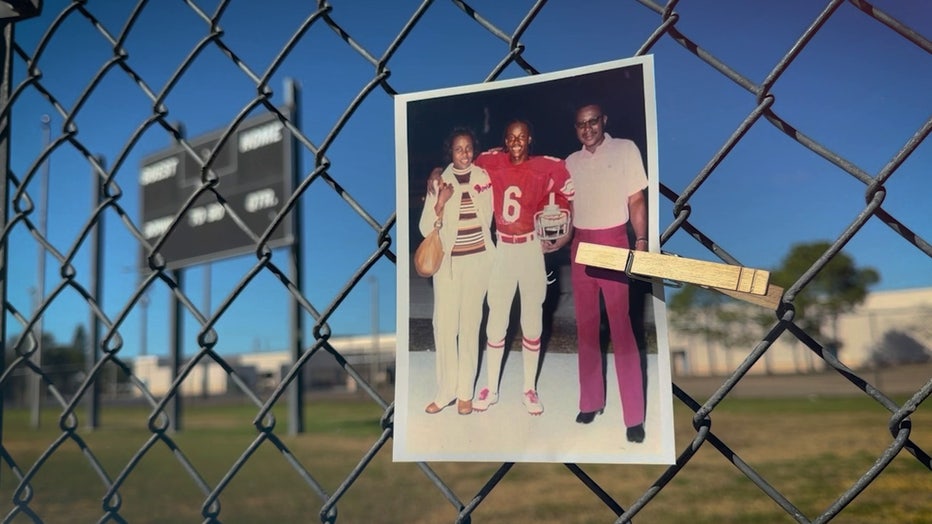
who climbed from a high school football field in Dunedin to the highest
echelons of Special Operations Command and is now giving back to his
community.
READ: Gary Sinise bringing band to Tampa for Red Star Foundation’s inaugural gala to support veterans in crisis
The backstory:
It
began in 1977 on a practice field. When an Army recruiter challenged
the "toughest and fastest" on the team to sign up, everyone raised their
hand. But when the dust settled, only one man showed up to the station.
"I
was a one-man band. I was the only guy that showed up. But, I’m honored
to have the privilege to have served my country," Coley said.
Coley
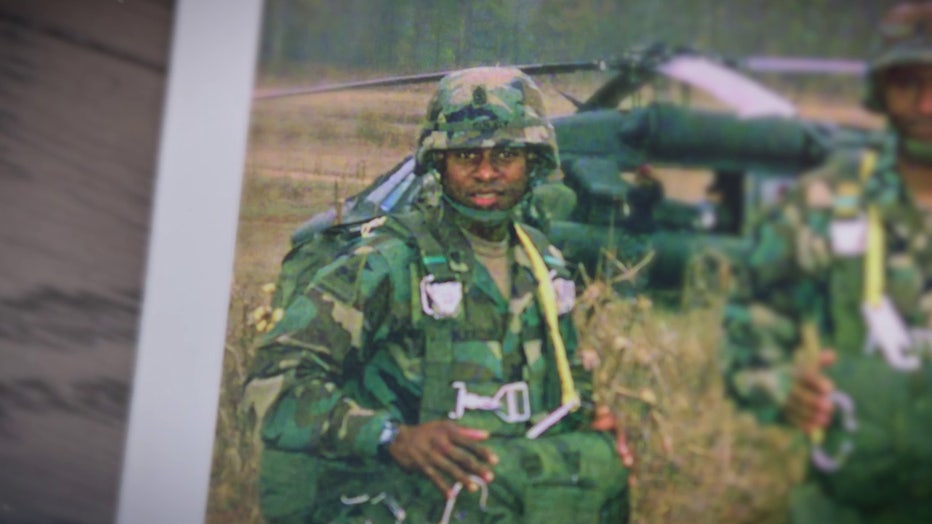
didn't just join; he soared. He became a leader within the elite 82nd
Airborne Division, where the margin for error was non-existent.
- The Standard: Mental and physical toughness.
- The Environment: Operating predominantly under the cover of night.
- The Mission: Jumping from planes and seizing airfields.
MORE: Air Force veteran left in constant pain after lung cancer diagnosis gets life back through trial at Moffitt
"They
have high standards. You’ve got to be physically tough, mentally tough
just to do it, because everything you do is predominantly at night,"
Coley told FOX 13.
Dig deeper:
During
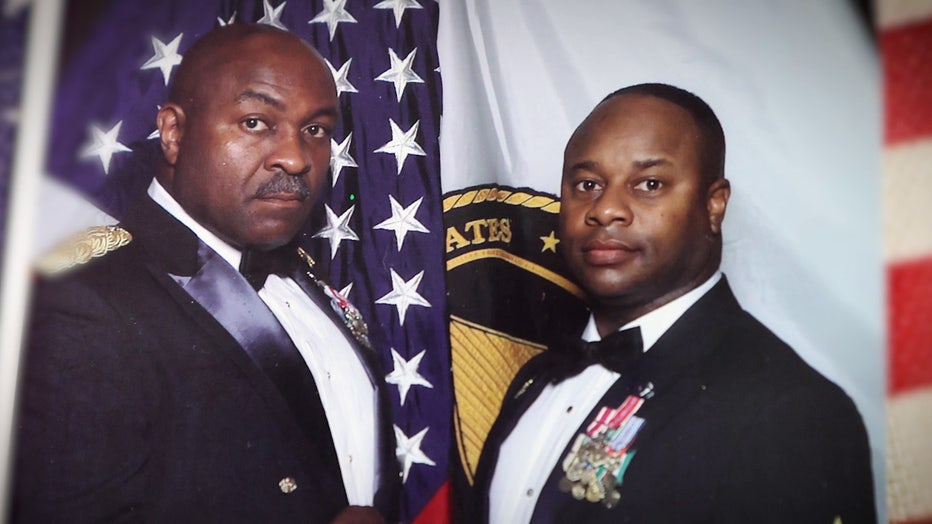
the Gulf War, the stakes became deeply personal. AC and his brother
were both deployed to Saudi Arabia to liberate Kuwait. In the foxholes,
the "special op" wasn't just about strategy — it was about survival and a
letter home to mom.
- The Conditions: Raining oil, toxic smoke and the threat of Sarin gas.
- The Birthday Scare: On January 26 — their mother’s birthday — Scud missiles began to fall.
"I’m
writing the letter that maybe we might not be around. I just hope and
pray I didn't lose him on my mother's birthday, or it was both of us.
That would have been terrible, but by the grace of God, we survived."
Whitney Houston's iconic National Anthem
It
was early 1991, huddled in a foxhole, Coley heard a sound that bridged
the gap between the battlefield and home: Whitney Houston’s iconic
National Anthem at the Super Bowl in Tampa.
READ: Valor Commons breaks ground in Manatee County, aims to bring services and honor Bay Area veterans
"I
said, I guess this means it's all worth it. You know, they're back home
enjoying the Super Bowl in Tampa, and I'm here in a foxhole fighting
for freedom. It was bittersweet but gave me that connection to home. And
it motivated me to be ready to do whatever we needed to do to
accomplish the mission," Coley told FOX 13.
"The A.C. Coley Leadership Award
He
rose to become the senior enlisted advisor for the J-6 in Special
Operations — an achievement so significant, they created a leadership
award in his name: The A.C. Coley Leadership Award that’s now awarded to
Special Operators who show outstanding leadership.
Big picture view:
Today,
Coley has returned to his roots. He now works with the Black Ops
Foundation, a non-profit dedicated to preserving the legacies of
under-represented operators.
- Mentorship: Going into underserved communities.
- Representation: Showing students that their dreams are attainable.
- Legacy: Moving from the gridiron to the front lines, and back to the homefront.
"We’re
telling our stories of perseverance, sacrifice, overcoming obstacles.
Like my mom said, ‘if you can see it, you can be it.’ And to be able to
tell the next generation what courage and sacrifices means? It’s
priceless."
Coley is featured in a new
documentary series by the Black Ops Foundation, currently streaming
nationwide, highlighting the stories of Special Operators who changed
history and is also a board member.
What you can do:
You can find more about them by visiting blkopsfoundation.org.
The Source: The information in this story was gathered during an interview with AC Coley. "
Cite: https://www.fox13news.com/news/decorated-gulf-war-veteran-inspiring-next-generation-leaders-its-priceless